Puberty 101 🌱 A Friendly Guide for Girls & Caregivers
Why this guide matters💡
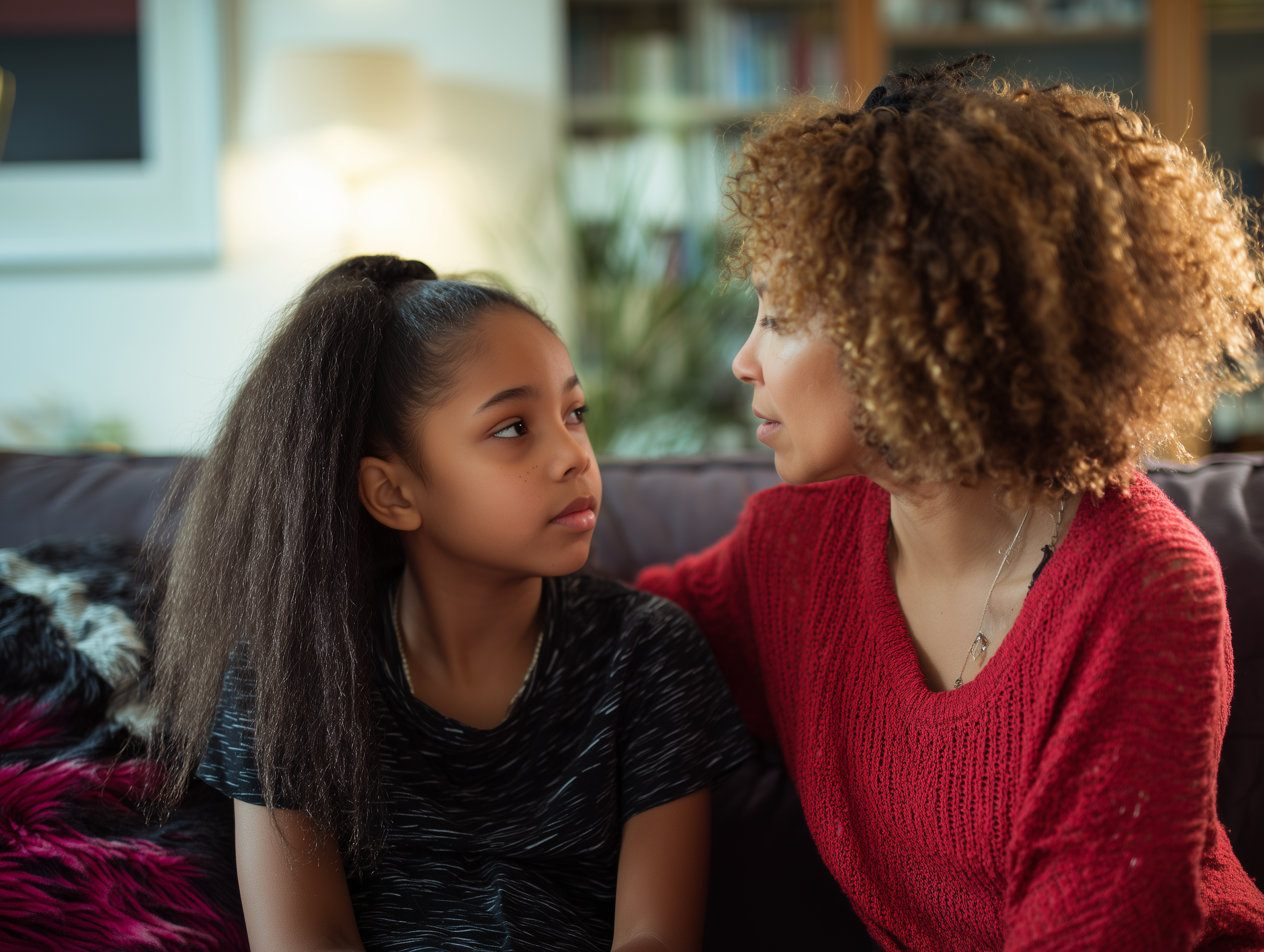
Puberty is a big transition—new body changes, bigger feelings, and lots of questions. This guide breaks it down with simple language so girls feel informed (not overwhelmed) and caregivers feel confident supporting them. In South Florida, Let’s Talk About It! offers free, judgment-free workshops to fill education gaps not always covered at school or at home—helping reduce teen pregnancy & STIs and build self-awareness, self-confidence, and self-determination. 🌷
What is puberty?📘
Puberty is when a child’s body begins changing into an adult body. Hormones cause growth spurts, breast development, hair growth, and eventually menstruation (a period). Everyone’s timeline is different—and that’s okay.
Typical timing: Many girls start between ages 9–13. Early or late can still be healthy; your clinician can answer questions.
Common body changes🧭
Growth spurt and changing body shape
Breast development and tenderness
Hair growth under arms and in the pubic area
Skin changes (oiliness, acne—hello gentle skincare)
Vaginal discharge (often clear/white)—a common sign periods may begin soon
Tip for caregivers: Focus on reassurance and facts. Avoid teasing—confidence blossoms when kids feel respected. 🌼
Feelings & friendships💛
It’s normal to feel bigger emotions—excited, annoyed, embarrassed, proud. Try:
Name it: “I’m nervous” or “I’m curious”
Small tools: breathing, a walk, journaling, music
Boundaries: “I’m not ready to talk about that yet” is okay
Hygiene basics🧼
Shower regularly; change underwear daily
Deodorant when underarm odor begins
Gentle face care (don’t over-scrub)
Period prep kit ready to go (see below)
First-period prep🎒
Mini period kit:
2–3 pads, small wipes, resealable bag, spare underwear, tiny encouragement note (“You’ve got this!”)
Optional: tracker app, heat patch (with caregiver guidance)
Changing products (general):
Pads every 3–4 hrs (or when damp), tampons 4–8 hrs, cups 8–12 hrs (follow directions). Wrap and trash—don’t flush.
When to call a clinician: severe pain, soaking a pad hourly for several hours, dizziness/fainting, or periods that stop for months after starting.
Conversations that build confidence 🗣️
“Your body is yours. You can always ask questions.”
“It’s okay to feel unsure—let’s learn together.”
“Mistakes happen; you’re never in trouble for asking for help.”
Caregivers: Short, regular chats > one “big talk.” Use correct terms (vulva, vagina, uterus). If you don’t know an answer, look it up together.
School-day tips 🎒🏫
Know where the restroom and nurse are
Keep a kit in the backpack/locker
Agree on a simple text or emoji for help (⭐️)
Dark bottoms on heavy days can reduce stress
Quick FAQs ❓
When does puberty start?
Many girls start between 9–13, but earlier/later can be normal.How do I know a first period is coming?
Breast changes, growth spurts, and clear/white discharge are common early signs.Are cramps normal?
Mild cramps can be. Try warmth, hydration, gentle stretching, and rest. Call a clinician for severe or persistent pain.What should I put in a period kit?
Pads, wipes, resealable bag, spare underwear, and a little note of encouragement.Is discharge normal before periods?
Often yes. If it’s itchy, has a strong odor, or looks unusual, ask a clinician.
Our mission in action (South Florida) 🌴
We host free, judgment-free workshops:
Puberty Zone (Ages 9–13): body basics, periods, hygiene, feelings & friendships, boundaries, asking for help
Young Women (Ages 14–21): body awareness, pregnancy prevention, STI prevention, consent, healthy relationships, clinic confidence
Eligibility: Girls/female participants only. Caregiver required for the first session, optional for the second.