Empowering Girls: A Guide to Supporting Your Daughter’s First Period
Why this guide matters 💡
A first period is more than a biological milestone—it’s a moment that can shape a girl’s sense of confidence, body awareness, and self-advocacy for years to come. With calm guidance, accurate information, and a supportive environment at home, school, and in the community, you can help your daughter feel informed—not frightened—and ready for what comes next.
At Let’s Talk About It!, our mission is to empower young girls and support mothers in South Florida with judgment-free education about puberty and reproductive health. We exist to fill education gaps not always covered at school or at home, help reduce teen pregnancy and STIs, and build self-awareness, self-confidence, and self-determination so young women can pursue their dreams. This guide distills what we teach in our free workshops into a single, practical resource you can use today.
Understanding the first period📘
A period is normal vaginal bleeding that happens as part of the menstrual cycle. Each cycle, the body prepares for pregnancy by building a lining in the uterus; if pregnancy doesn’t happen, the lining sheds through the vagina. That shedding is the menstrual period. It’s healthy, normal, and nothing to be ashamed of.
When do first periods usually happen?
Many girls get their first period (menarche) between ages 9–13. Timing varies—earlier or later can be normal. Focus less on age and more on body changes and feelings that signal this transition. ⏳How long does a period last?
Typically 2–7 days. Early cycles can be irregular—short one month, longer the next. That’s expected while the body finds its rhythm. 🔁How much bleeding is normal?
Flow differs by person and by day. Some days will be light; others heavier. What matters most early on is comfort, hygiene, and safety—knowing when to change products and when to ask for help. 🧼
Early signs the first period may be coming 🔎
You can make the transition smoother by watching for early signs and talking ahead of time.
Breast development and tender breast buds
Growth spurts and changing body shape
Clear or white discharge (often begins months before the first period)
Hair growth under arms or in the pubic area
Mood shifts and bigger feelings than usual
Use these signs as a gentle cue to check in: “You might notice more changes soon. Let’s talk about what a period is and what will help you feel prepared.”
Start the conversation early🗣️✨
Talking early reduces fear and builds trust. Keep it short, specific, and shame-free.
Easy openers:
“A period is a normal part of growing up. Your body is healthy and doing what it’s designed to do.”
“If you ever have questions—even awkward ones—you can always ask me.”
“Let’s pack a small kit for school and activities so you feel totally prepared.”
“If your period starts and you’re unsure, text or call me. You’re never in trouble for asking.”
Tips for calm conversations:
Use correct terms (vulva, vagina, uterus; pad, tampon, menstrual cup). Clear words build body literacy. 🧠
Normalize feelings. “It’s okay to feel curious, annoyed, or nervous.”
Invite questions. It’s fine to say, “I’m not sure—let’s look it up together.” 🔍
Stay judgment-free. You’re a coach and partner, not a critic.
Practical skills🧰
A quick tour of menstrual products 🛒
Pads: Soft, stick to underwear. Great for first periods; easy to learn.
Tampons: Inserted into the vagina with/without an applicator. Must be changed regularly.
Menstrual cups: Flexible, reusable cups that collect flow. Eco-friendly but require learning and comfort with insertion.
Period underwear: Absorbent underwear; can be used alone on light days or as backup.
How often to change (general guidance) ⏱️
Pads: about every 3–4 hours or when damp/soiled
Tampons: every 4–8 hours (do not exceed 8 hours)
Menstrual cups: up to 8–12 hours, follow product directions
Period underwear: change daily; rinse/soak then launder
Disposal & hygiene 🧼
Wrap used pads/tampons in toilet paper or the wrapper; place in a trash bin (never flush).
Wash hands before and after changing.
For cups/period underwear, follow brand cleaning instructions.
Comfort care ideas 🌿
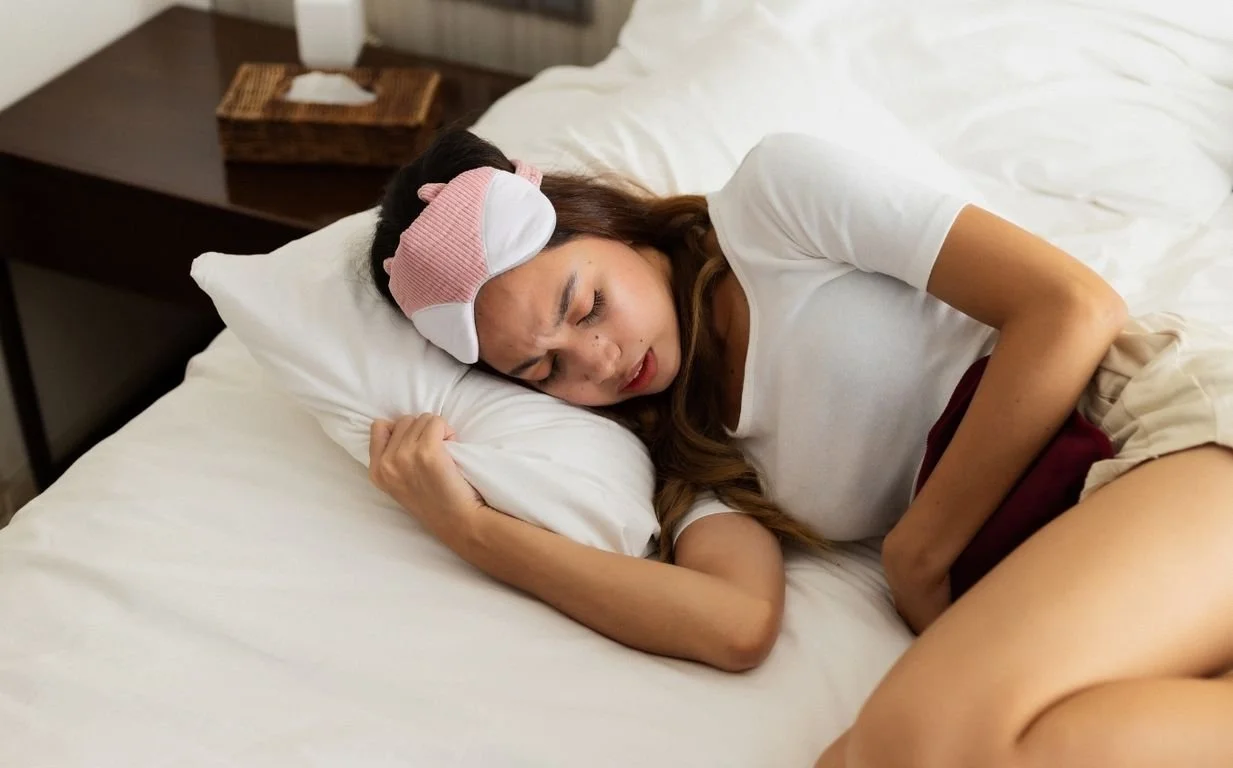
Warmth: heating pad or warm bath can ease cramps.
Hydration & snacks: water and gentle snacks stabilize energy/mood.
Movement: light stretching or walking reduces cramps for many.
Sleep: extra rest is both normal and helpful.
Pain talk: note what helps; if pain is severe or sudden, call your clinician. ☎️
Friendly reminder: This guide is educational—not a medical diagnosis. For personal advice, consult a healthcare professional. 👩⚕️
Build the backpack period kit 🎒
A small kit helps her feel prepared at school, sports, activities, or a friend’s house.
Period Kit Checklist (simple & discreet)
2–3 pads (mix of absorbencies)
1 pair spare underwear (in a small fabric pouch)
Wipes or small tissue pack
Resealable bag (for soiled underwear; opaque if possible)
Small encouragement note (“You’ve got this. Text me anytime.” 💌)
Optional: mini tracker/app, heat patch, OTC pain relief (only if recommended by your clinician)
Keep a second kit at home so it’s easy to repack. Replace items after use and adjust based on her feedback. 📝
Emotional support 💛
Big feelings are normal. Hormones + life changes can bring waves of emotion—excitement, embarrassment, frustration, pride. Help her name feelings and pick one small strategy (warmth, breathing, journaling, quiet time). 🫁📓
Body respect & self-talk. Practice short mantras:
“My body is changing and that’s okay.”
“I’m learning what works for me.”
“I’m allowed to ask for help.”
Privacy & boundaries. Ask how she wants info handled—who can know and how much to share. Model consent: “Would you like me to tell your coach, or keep this private?” 🔒
Celebrate without pressure. A favorite snack or cozy movie night can mark the milestone—keep it centered on her comfort. 🍿
School-day strategies🏫
Know the map. Identify the nearest restroom and nurse’s office; plan when to go without drawing attention.
Discrete communication. Agree on a simple signal or text (“⭐️”).
Clothing plan. Dark bottoms reduce anxiety on heavy days; stash a spare layer in the locker if allowed.
Connect with adults. If appropriate, let a trusted teacher, counselor, or nurse know she may need flexibility.
Advocate for period-positive schools. Free products in restrooms + staff training = less stress and more time in class.
When periods aren’t typical🚩
Call a clinician (or seek care) if you notice:
Soaking a pad (or equivalent) in about an hour, especially for several hours in a row
Severe pain not eased by rest/heat and limiting activity
Dizziness/fainting or symptoms of anemia (unusual fatigue, shortness of breath)
Periods stop for months after starting (without known reason)
Very irregular bleeding plus other concerning symptoms
Trust your instincts. You can simply say, “My daughter’s first period is very heavy/painful and I’m concerned—what should we do?” ☎️
Mothers & caregivers—your support changes everything 🤝
Model calm. Your tone teaches that periods are manageable.
Invite problem-solving. “What helped today? What should we try next time?”
Share (light) personal experience without centering the story on you.
Coordinate caregivers. Agree on language, expectations, and who to call.
Protect time. A few extra minutes in the morning or a quiet evening check-in matters. 🕊️
In our programs, caregivers are required at the first session, optional for the second, and we’re developing a moms-only session—because confident adults grow confident kids.
Community matters🌴
Families thrive when communities do. We advocate for:
Free menstrual products in restrooms (schools, libraries, parks)
Staff training for sensitive, judgment-free responses
Parent-friendly workshops that close school/home education gaps
Resource networks so families find care and information quickly
Trusted resources we often refer families to:
Planned Parenthood — education & care
Dalberiste Counseling (Natacha Dalberiste, LMFT) — counseling & family support
First-period FAQs
What if my daughter refuses to talk?
Keep the door open with tiny invitations. Offer a book, private video, or time with another trusted female adult. Respect her pace—pressure backfires. 🚪Can she swim on her period?
Yes, with the right product (tampon or menstrual cup). Practice at home on a low-pressure day first. 🏊♀️How do we handle sports/dance?
Pads or period underwear can work for low-impact; tampons or cups may be better for high-movement. Pack backups in a discreet pouch. 🎒What about cramps & mood changes?
Warmth, hydration, light movement, and rest help many. If pain is severe or persistent, call your clinician. 🌡️What if the first period starts at school?
Use the kit, ask a trusted adult, request a discreet pass. Accidents happen; they’re not a crisis. A spare layer helps. 🧥Should she track her cycle?
Yes—tracking helps anticipate supplies and symptoms. Paper calendar, notes app, or a simple tracker works fine. 📆How can fathers or other caregivers help?
Learn the basics, honor privacy, and offer practical support (“Want me to grab supplies?”). Calm presence matters. 👨👧How do we keep it private from peers/siblings?
Set house rules about privacy: share only what she wants shared. Stop teasing immediately; practice respect. 🫶